 Qazi Forex Tips
In this lecture
- Building money management skills
- Creating your own money management plan
- Growing a small account step by step
- Using the plan together with your strategy
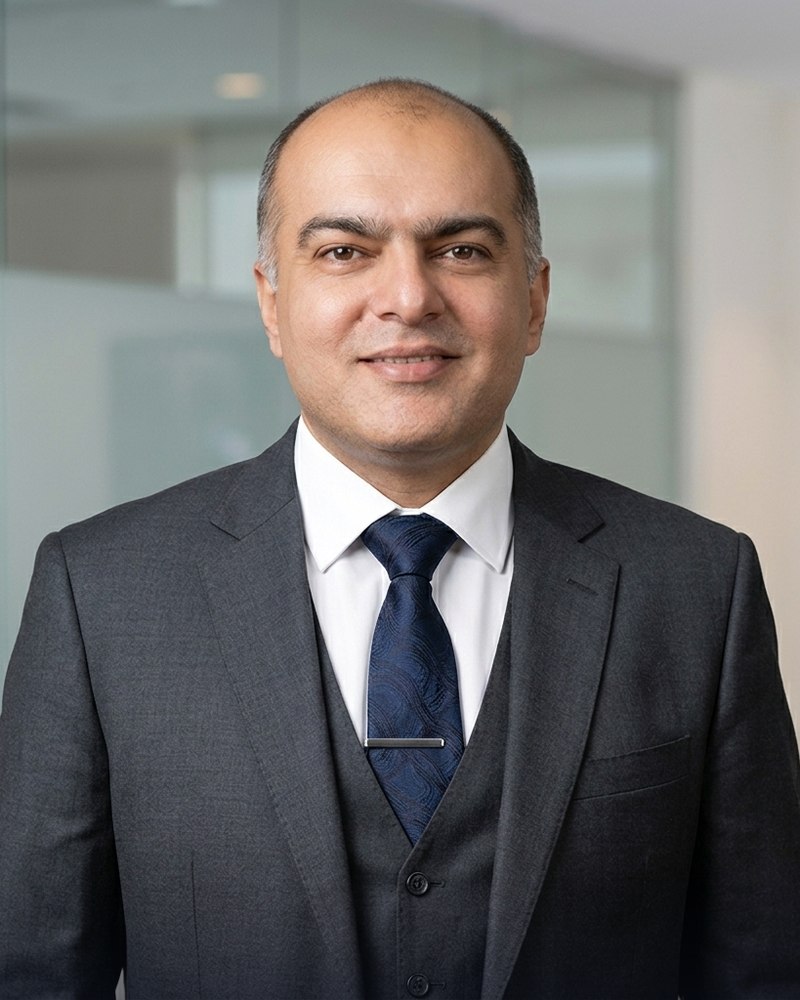
I have been trading forex and Gold since 2013. Like every trader I went through the ups and downs, and those years taught me what keeps an account alive: clear price action, a fixed risk on every trade, and the discipline to follow a plan.
From Dr. Qazi's story
This lecture is about building your money management skills and creating your own money management plan.
From the lecture
Learn and practise on a demo account first. When you go live, use only money you can afford to lose and keep the risk on each trade small, for example 1% of the account.
From our FAQ
Lesson notes
Rule 1: risk a fixed small part of the account
Decide how much of your account you can lose on one trade, commonly 1–2%. On a $200 account, 1% is $2. Keeping risk fixed means a losing streak hurts, but it does not end your account.
Rule 2: the stop loss decides the lot
Lot size = money at risk ÷ (stop loss in pips × pip value per lot).
Example: $2 risk, EURUSD, stop loss 20 pips. One standard lot is about $10 per pip, so 0.01 lot is about $0.10 per pip. 20 pips × $0.10 = $2, so the lot is 0.01. A wider stop means a smaller lot, never more risk. Pip value differs by symbol and broker, so check it for Gold and other pairs.
Rule 3: reward must be bigger than risk
With a reward-to-risk of 1:2, you can be right only about 40% of the time and still grow, before costs. Write the minimum reward-to-risk into your plan and skip trades that do not offer it.
Rule 4: limits and steady growth
- Set a daily loss limit (for example 2–3 losing trades or 3% of the account) and stop for the day when you hit it.
- Increase the money at risk only as the account grows, by keeping the same percentage.
- Keep a journal: every trade, the reason, the result. The plan improves only when you measure it.
Khulasa (Roman Urdu / Hindi)
- Har trade par account ka sirf 1–2% risk.
- Lot ka formula: risk $ ÷ (SL pips × pip value).
- Kam az kam 1:2 reward:risk wali trade lein.
- Daily loss limit tay karein aur journal likhein.
Questions
How much should I risk per trade?
Many professional traders risk 1–2% of the account per trade. Smaller accounts benefit most from keeping the percentage fixed.
How do I calculate the lot size?
Divide the money you are willing to lose by the stop loss in pips times the pip value per lot. A trade panel such as QFT Trade Assistant does this for you.
What is the 1% rule in trading?
Risking no more than 1% of your account on a single trade.
How do I grow a small forex account?
Keep risk per trade fixed and small, take only setups with good reward to risk, and let the account compound slowly.
What is a daily loss limit?
A maximum loss for the day after which you stop trading, to prevent revenge trades.
Should I add money after losses?
Not until you understand why you lost; review your journal first.
Related lessons
 Where to set stop loss and take profit, and when to close halfPrice Action Basics
 Support and Resistance: how to draw it, and why it failsIndicators & Strategies
 RSI divergence: regular and hidden divergence explained
Education only, not financial advice. Trading forex, Gold and CFDs carries a high risk of loss. Examples are for learning; test any method on a demo or in a simulator before using real money.